Car Insurance in Ontario: Cost, Coverage and How It Works
Car insurance is mandatory for every registered vehicle in Ontario. A policy covers injuries, damage and legal claims that come from owning or driving a vehicle.
You can purchase an auto insurance policy through an insurance broker, an agent or an insurer that sells directly to customers. Every insurer uses the Ontario Automobile Policy, commonly called OAP 1, as the standard contract. However, insurers do not all charge the same price. Each company charges its own approved rates. You choose the limits, deductibles and optional coverage that fit your needs.
This guide explains how Ontario car insurance works, what it costs, which coverages are required and how to compare policies properly.
Key takeaways
- Ontario law requires every registered vehicle to be insured. A first conviction for driving without insurance carries a fine of $5,000 to $25,000.
- FSRA reported an average Ontario premium of $2,164 a year as of October 2025. Your own price may be much higher or lower.
- Ontario policies include third-party liability, mandatory accident benefits and uninsured automobile coverage. Direct compensation for property damage, or DCPD, is included unless you decline it in writing.
- For policies purchased on or after July 1, 2026, income replacement and most other accident benefits are optional.
- There is no single insurer that is cheapest for every Ontario driver.
How much does car insurance cost in Ontario?
The Financial Services Regulatory Authority of Ontario, or FSRA, reported an average annual premium of $2,164, approximately $180 a month, as of October 2025.
FSRA also reports significant regional differences:
| Region | Average annual premium |
|---|---|
| Greater Toronto Area | $2,810 |
| Other urban areas | $2,076 |
| Rural Ontario | $1,740 |
| Ontario overall | $2,164 |
Average annual premium by regionFSRA
Greater Toronto Area $2,810
Other urban areas $2,076
Rural Ontario $1,740
Ontario overall $2,164
The provincial average increased from $2,006 in October 2024 to $2,164 in October 2025—an increase of $158, or 7.9%.
Why do websites publish different Ontario averages?
Different sources are often measuring different customers. FSRA measures vehicles that are actually insured across Ontario. Comparison websites usually report quotes requested on their own sites, often for one sample driver, vehicle, coverage level or deductible.
As of October 6, 2026, published Ontario estimates ranged from $1,528 to $2,653:
| Published by | Annual figure | Date provided | What the figure represents |
|---|---|---|---|
| FSRA | $2,164 | October 2025 | All private-passenger vehicles insured in Ontario during the previous 12 months |
| rates.ca | $2,653 | March 2026 | Quotes for a sample 40-year-old male driving a Honda Civic, using the three lowest quotes in each postal area |
| RBC Insurance | $2,635 | Not provided | Its Ontario customers before discounts |
| ThinkInsure | $2,461 | May 2026 | One year of quotes using $1 million liability and a $1,000 deductible |
| MyChoice | $2,345 | 2026 | Median quotes for drivers aged 35 to 44 with clean records |
| Surex | $2,318 | Different dates appear | A year of quotes for claim-free, one-vehicle drivers |
| Ratehub | $2,164 | Not provided | FSRA’s figure |
| Intact | $180 monthly | October 2025 | FSRA’s figure divided by 12 |
| LowestRates | $2,068 | 2024 in one place and 2025 in another | Attributed to Statistics Canada without naming a table |
| BrokerLink | About $2,000 | Not provided | No source shown |
| InsuranceHotline | $1,744 | Early 2023 | Its own data |
| HelloSafe | $1,598 and $1,528 | Not provided | No source shown |
These numbers also use different dates and coverage assumptions. A quote including $1 million in liability, collision and comprehensive coverage with a $1,000 deductible cannot be compared directly with a legal-minimum policy.
FSRA’s figure is the best general indicator because it includes all insured private-passenger vehicles. It is still not a quote for you.
A quote above the provincial average does not necessarily mean something is wrong. Your address, vehicle, driving history, annual kilometres, coverage choices and insurer can move the price substantially.
How Ontario insurers calculate your premium
An insurer evaluates the driver, the vehicle, how the vehicle is used and where it is normally kept.
Common rating factors include:
- The vehicle’s make, model, repair cost, theft rate and claims history
- Your accidents, convictions, years licensed and recognized driver training
- Your home address and the frequency and cost of claims in that area
- Your age, gender and marital status
- Your annual kilometres and whether you commute to work or school
- The limits, deductibles and optional coverage you select
- The insurance company providing the quote
Every insurer has different claims experience and approved rates. One company may have paid more claims for drivers or vehicles similar to yours, while another may have had better results. This is why two insurers can quote very different prices for the same customer.
Give accurate information. Leaving out a driver, a conviction, an address change, how you use the vehicle or another important fact can change your price, get the policy cancelled or cause problems with a claim.
What an insurer cannot use
Ontario auto insurers cannot calculate your premium using:
- Income or employment history
- Credit history or credit score
- Bankruptcy
- Homeownership
- Net worth or debts
Some accidents cannot be used to raise your price. An accident where you were 25% or less at fault cannot be used. One minor accident with no injuries may also be left out, if the at-fault driver paid for the damage and no insurer paid a claim. If you have more than one of these within three years, they may be counted.
Why premiums have increased
FSRA identifies rising claims costs as the main driver of higher premiums. Important pressures include:
- More expensive replacement parts and repair labour
- More vehicles on the road and more kilometres being driven
- Increased vehicle theft
Your renewal price can change for two reasons: the insurer got approval to change its rates, or something about you changed, such as your address, vehicle, annual kilometres, listed drivers or driving record.
How location affects your price
Insurers look at how many claims come from the area where you keep your vehicle, and what those claims cost. Collisions, theft, repair costs and storm damage vary a lot from one community to the next.
Published city estimates illustrate the range:
- Brampton: approximately $3,325 to $4,210 a year
- Toronto: approximately $2,483 to $2,888, with further differences by neighbourhood
- Ottawa: approximately $1,886 to $2,071
- Kitchener: approximately $2,203 to $2,307
Published city estimates: each bar runs from the low figure to the high one
Brampton $3,325 to $4,210
Toronto $2,483 to $2,888
Ottawa $1,886 to $2,071
Kitchener $2,203 to $2,307
These are comparison-site estimates, not FSRA city averages. Use them as a rough guide, not as the price you should expect.
Toronto itself is not one insurance territory. Published estimates differ between Downtown Toronto, North York, Scarborough, East York and Etobicoke.
A broker needs your exact address to talk about price. A city-wide average cannot reflect the claims history of your postal code.
What coverage is mandatory in Ontario?
Ontario law requires third-party liability, mandatory accident benefits and uninsured automobile coverage. DCPD is included in the standard policy but can be declined in writing. Collision, comprehensive, higher limits and endorsements are optional.
| Coverage | What it protects | Required? |
|---|---|---|
| Third-party liability, minimum $200,000 | Other people’s injuries and property when you are legally responsible | Yes |
| Medical, rehabilitation and attendant-care accident benefits | Treatment and care after an automobile accident | Yes |
| Uninsured automobile coverage | Certain losses involving an uninsured or unidentified driver | Yes |
| Direct compensation for property damage | Damage to your vehicle when another insured driver is responsible | Included, but you may decline it in writing |
| Income replacement and other optional accident benefits | Lost income and certain additional expenses after an injury | Optional for policies purchased on or after July 1, 2026 |
| Collision and comprehensive | Covered loss or damage to your vehicle | Optional |
| Higher liability limits and endorsements | Increased limits or additional policy protection | Optional |
You may see Ontario coverage described as having either three or four mandatory components. DCPD is the fourth coverage included in the standard policy, but it can be declined.
Third-party liability
Liability coverage pays when you are legally responsible for injuring someone or damaging their property. Ontario’s minimum limit is $200,000, but many customers choose $1 million or $2 million because a serious injury claim can exceed the minimum.
Accident benefits
Accident benefits pay for certain injury-related costs, no matter who caused the accident. Medical, rehabilitation and attendant-care benefits remain mandatory. Other benefits may be optional depending on when the policy was purchased.
Uninsured automobile coverage
This coverage pays for certain injuries and losses when the other driver has no insurance or cannot be identified. Policy conditions apply.
Direct compensation for property damage
DCPD generally covers damage to your vehicle when another insured driver is responsible for an accident in Ontario. Since January 2024, customers have been allowed to decline DCPD in writing.
If you decline DCPD, your own insurer will not pay for damage to your vehicle when another driver is at fault. You cannot claim that cost from the other driver either. Your insurer may also refuse to sell you collision coverage. FSRA warns that opting out may not be right for many drivers.
Collision and comprehensive coverage
Collision generally protects your vehicle after an accident, subject to the deductible and policy terms. Comprehensive generally covers losses that are not collisions, such as theft, vandalism, fire and some weather damage.
The right choice depends on what the vehicle is worth, whether your lender requires the coverage, the deductible and whether you could afford to repair or replace the vehicle yourself.
What changed on July 1, 2026?
For policies purchased on or after July 1, 2026, most Ontario accident benefits became optional. Medical, rehabilitation and attendant-care coverage remains mandatory.
Optional benefits include:
- Income replacement
- Non-earner benefits
- Caregiver benefits
- Death and funeral benefits
The optional benefits you select generally protect you, your spouse, your dependents and the drivers listed on the policy. Other people injured in the accident may still get the mandatory treatment and care benefits, but they may not get income replacement through that vehicle’s policy.
Removing optional benefits can lower your premium, but first check what protection you already have. Look at your employer disability benefits, workplace plans, private health coverage and other policies before you remove anything.
If no employer or private plan would replace your income while you were unable to work, income replacement deserves particular attention.
MyChoice’s 2026 data shows the optional benefits it listed cost a median of $207.85 a year, on a $2,345 policy for a clean driver aged 35 to 44. Your own cost can differ, so compare the quote both with and without the optional benefits.
If you had your policy before July 1, 2026, your benefits generally stay the same at renewal unless you agree in writing to change or drop them. On a new policy, you get optional benefits only if you choose them.
How Ontario car insurance works after an accident
Ontario is commonly described as having a no-fault insurance system. This does not mean no one is found responsible. It means you generally claim from your own insurer, even when another driver caused the accident.
| Loss | Coverage that normally responds | How fault matters |
|---|---|---|
| Your vehicle is damaged by another at-fault insured driver | DCPD through your own insurer | Compensation reflects your percentage of fault |
| You are injured | Accident benefits through your own insurer | Mandatory benefits can respond regardless of fault |
| You injure someone or damage property not handled through DCPD | Third-party liability through your insurer | Liability responds when you are legally responsible |
| Your vehicle is damaged when you are at fault or no other vehicle is involved | Applicable optional coverage, such as collision | Coverage, exclusions and deductible determine payment |
Ontario insurers assign fault using the Fault Determination Rules, which address more than 40 accident scenarios. Being charged by police does not automatically decide who is at fault for insurance, and bad weather or road conditions do not change the rules.
FSRA says a driver found 50% or more at fault has a good chance of seeing a premium increase at renewal. An accident cannot be used when the driver is 25% or less at fault. If you are between 26% and 49% at fault, there is no such guarantee.
What to do after an accident
- Stop safely and check whether anyone is injured.
- Photograph the scene and damage when it is safe to do so.
- Contact police when someone is injured, impairment is suspected or the circumstances require a report. Damage-only accidents may be reported through a Collision Reporting Centre.
- Exchange the required driver, vehicle and insurance information.
- Report the accident to your insurer, broker or agent within seven days. If you were injured, tell them about the injury and send back the accident-benefits application by the deadline.
The insurer’s adjuster investigates and decides the claim. A broker can explain your coverage and direct you to the correct claims contact, but the insurer’s claims department determines fault and payment.
How to reduce your Ontario car insurance premium
The most effective first step is to compare insurers at every renewal. The company offering your best price last year may not remain the most competitive.
Review the policy when the renewal arrives, normally around 30 days before expiry. Confirm the drivers, address, vehicle use, annual kilometres, coverage and deductibles before comparing alternatives.
Discounts to ask about
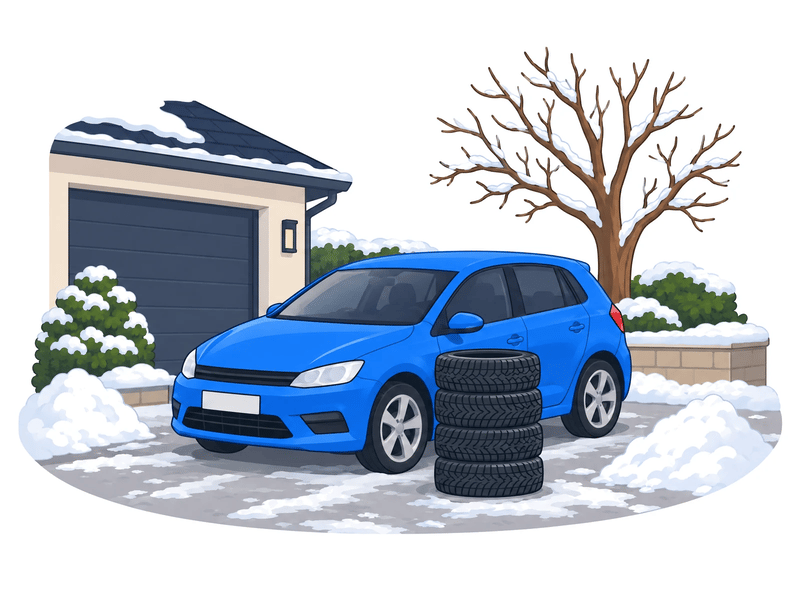
- Winter tires: Every Ontario insurer must offer a winter-tire discount, although the amount and qualification requirements vary.
- Home and auto together: FSRA indicates possible savings of 5% to 15%.
- Multiple vehicles: The potential discount is commonly 5% to 15%.
- Claims-free loyalty: Some insurers offer savings for remaining claim-free with the company.
- Driver training: Recognized training may reduce premiums for a new driver.
- Group rates: Some employers, unions and alumni associations have insurance programs.
- Usage-based insurance: Safe driving habits may reduce the premium, depending on the program. Ask whether the data can also increase your price.
Choose the deductible carefully
A higher deductible normally lowers the premium but increases what you pay after a claim. Moving from $500 to $1,000 adds another $500 to your share of each covered loss.
Compare the annual premium saving with the additional amount you would have to pay. On a low-value vehicle, also ask whether collision and comprehensive coverage are still worth the cost.
Avoid unnecessary penalties
If you switch at renewal, you generally avoid the cancellation fee (called a short-rate charge) that can apply when you cancel partway through the term. Never stop payments as a way to cancel; a cancellation for non-payment can make future coverage more expensive.
Report changes in vehicle use. If you stop commuting or drive fewer kilometres, the insurer should have accurate information. Maintaining a record free of convictions and at-fault accidents also helps over time.
Which insurer is best or cheapest?
There is no universal answer. Each company has its own approved rates, its own claims history and its own view of which drivers it wants to insure. The insurer offering your neighbour the lowest price may not be the best-priced company for you.
Online rankings may measure customer satisfaction rather than price. Others use their own quote data, which only covers people who used that service.
PolicyScanner does not name one insurer as the best or cheapest for every driver. PolicyScanner is compensated by insurers when a policy is placed, so a universal ranking from us would not be neutral or supportable.
Compare:
- The annual premium and payment terms
- Liability limits
- Deductibles
- Accident-benefit choices
- Collision and comprehensive coverage
- Endorsements and exclusions
- Claims and customer service
Broker, agent or direct insurer?
A broker represents multiple insurance companies and compares the insurers with which the brokerage has contracts. An agent generally represents one insurer. A direct insurer sells its own product to customers.
Ontario brokers are licensed by the Registered Insurance Brokers of Ontario. Agents and insurance companies are regulated by FSRA.
A broker does not automatically represent every company in the market. You can ask which insurers the brokerage represents, which companies were approached and what prices were received.
PolicyScanner operates as a branch partner of a RIBO-registered insurance brokerage. When a policy is placed or renewed, the insurer normally pays the brokerage a commission based on the premium. If a separate service fee applies, the amount and purpose must be disclosed and agreed to first. The insurer makes the final underwriting decision and determines the final price.
New drivers and high-risk drivers
New drivers usually pay more because they have limited driving and insurance history. You can build history by starting as a properly declared occasional driver, completing recognized training, asking about student or group discounts and keeping a clean record.
FSRA states that a driver who reaches G2 without an at-fault accident or conviction should receive a 10% reduction on all coverages for one year, followed by another reduction after becoming fully licensed.
Drivers with multiple convictions, at-fault accidents, repeated non-payment cancellations or serious convictions may be classified as high risk. Some insurers specialize in these risks. If no regular insurer will cover you, the Facility Association provides basic auto insurance, generally at a much higher price.
Each case is different, because the insurer, the type of conviction, the number of incidents and the dates all matter.
Driving without insurance
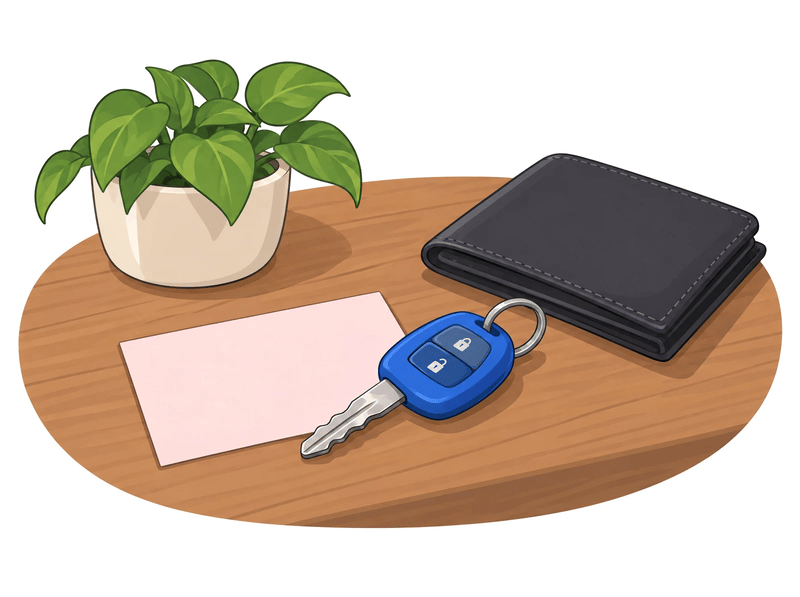
A first conviction carries a fine of $5,000 to $25,000. A later conviction carries a fine of $10,000 to $50,000. The owner or lessee may be charged whether they drove the vehicle or allowed someone else to drive it.
Failing to carry proof of insurance—the pink slip—is a separate offence with a fine of up to $400.
Frequently asked questions
How do I get car insurance for the first time?
Contact a licensed broker, agent or direct insurer. Have your driver’s licence, vehicle details, address, driving history and estimated annual kilometres available. Insurance must be active before the vehicle can be registered.
Is an online quote the final price?
No. The price is final only after the insurer checks your information, completes its review and issues the policy.
Can I switch insurers before my policy expires?
Yes, but mid-term cancellation may produce a short-rate penalty. Compare the penalty with the potential saving before switching. When possible, arranging the new policy to begin at renewal is usually simpler.
If I lend my car to a friend, whose insurance responds?
The vehicle owner’s policy normally responds when someone drives the vehicle with permission. The owner may be legally responsible along with the driver, and an at-fault accident may affect the owner’s insurance record. Regular drivers should be disclosed to the insurer.
Can an insurer refuse to insure me?
An insurer can decline an application only under its approved underwriting rules. If you are refused, you can request the reasons in writing. If no regular insurer will cover you, you can still get basic coverage through the Facility Association.
The bottom line
Do not choose Ontario car insurance on price alone. Before accepting a quote, confirm the liability limit, deductibles, accident benefits, DCPD selection, vehicle-damage coverage, listed drivers and vehicle use.
The right policy gives you enough protection at a price you can keep paying, with terms you understand before you ever need to claim.
Compare quotes from 15+ insurers.
Sources and methodology
This page uses information and published figures from FSRA, Ontario’s standard automobile policy and comparison data from rates.ca, ThinkInsure, MyChoice, Surex, Ratehub, LowestRates, InsuranceHotline and HelloSafe. Figures from comparison websites use different driver profiles, coverage assumptions and periods and should not be treated as directly comparable quotes.